


Construction

1 February 2026
post_13
post_12

One of the most common questions clients ask before starting a building project is:
“How much will this cost?”

In Nigeria, construction costs are influenced by many variables—some obvious, others often overlooked. From fluctuating material prices to site conditions and regulatory requirements, understanding what drives construction costs can help property owners, developers, and investors plan better, avoid surprises, and protect their budgets.

At Daisc Group, cost planning is treated as a strategic process, not guesswork. This article breaks down the key factors that determine construction costs in Nigeria and explains how proper planning can help you achieve value without compromising quality.


1. Cost of Building Materials in Nigeria

Building materials account for a significant portion of construction costs in Nigeria.

Common Materials That Influence Cost

  • Cement

  • Reinforcement steel

  • Sand, gravel, and aggregates

  • Blocks and concrete

  • Roofing materials

  • Finishes (tiles, doors, windows, fittings)

Prices of these materials are affected by:

  • Inflation

  • Fuel and transportation costs

  • Exchange rates (especially for imported materials)

  • Seasonal demand

Local vs Imported Materials

Imported materials often cost more due to:

  • Customs duties

  • Exchange rate volatility

  • Shipping and logistics

Daisc Group helps clients evaluate locally available alternatives that meet quality standards while reducing overall project cost.


2. Labour Costs and Skilled Workforce Availability

Labour is another major determinant of construction cost in Nigeria.

Types of Labour

  • Skilled artisans (masons, carpenters, electricians, plumbers)

  • Engineers and technical professionals

  • Site supervisors and project managers

Factors Affecting Labour Costs

  • Skill level and experience

  • Location of the project

  • Project complexity

  • Duration of construction

Urban centres like Lagos, Abuja, and Port Harcourt often attract higher labour costs compared to semi-urban or rural areas.

At Daisc Group, labour costs are optimized by:

  • Using experienced teams that reduce rework

  • Proper scheduling to avoid idle time

  • Clear supervision to maintain productivity


3. Location and Site Conditions

Where you build in Nigeria has a direct impact on construction cost.

Urban vs Rural Locations

Urban sites may have:

  • Higher labour rates

  • Limited access and logistics challenges

  • More regulatory requirements

Rural or undeveloped sites may require:

  • Site clearing

  • Access road construction

  • Additional infrastructure

Soil Conditions and Terrain

Poor soil conditions can significantly increase costs due to:

  • Specialized foundation systems

  • Soil stabilization

  • Additional excavation work

Conducting soil tests early helps determine the most appropriate foundation type and prevents unexpected expenses later.


4. Design Complexity and Building Specifications

The design of a building plays a major role in cost determination.

Architectural Design

Factors include:

  • Building size and layout

  • Number of floors

  • Shape and structural form

  • Aesthetic features

Complex designs often require:

  • More materials

  • Specialized workmanship

  • Longer construction timelines

Structural and Engineering Requirements

Heavier loads, long spans, and special uses (commercial or industrial buildings) require stronger structural systems, increasing material and labour costs.

Daisc Group works with clients to align design ambition with budget realities, ensuring efficiency without sacrificing functionality.


5. Regulatory Approvals and Compliance Costs

Construction in Nigeria requires compliance with various regulatory authorities.

Common Approval Costs

  • Planning permits

  • Environmental assessments

  • Structural approvals

  • Inspections and certifications

Delays in approvals can also increase costs through:

  • Extended project timelines

  • Idle labour and equipment

Early engagement with professionals helps streamline approvals and reduce unnecessary delays.


6. Equipment, Machinery, and Logistics

Construction equipment and logistics also influence total cost.

Equipment Costs

  • Excavators

  • Cranes

  • Concrete mixers

  • Power generators

Whether equipment is owned or hired, costs depend on:

  • Project duration

  • Fuel consumption

  • Maintenance requirements

Transportation and Logistics

Moving materials to site—especially in congested or remote areas—can significantly impact budget.

Daisc Group plans logistics carefully to minimize downtime and avoid unnecessary expenses.


7. Economic Factors: Inflation and Exchange Rates

Nigeria’s economic environment directly affects construction pricing.

Inflation

Rising inflation leads to:

  • Higher material costs

  • Increased labour wages

  • More expensive logistics

Exchange Rates

Imported materials and equipment are affected by currency fluctuations, making cost forecasting more challenging.

To mitigate these risks, Daisc Group:

  • Advises early material procurement

  • Builds contingencies into budgets

  • Recommends phased construction where appropriate


8. Project Duration and Time Management

Time is money in construction.

Extended project timelines can increase costs due to:

  • Prolonged labour engagement

  • Equipment hire extensions

  • Price increases over time

Efficient scheduling and professional project management help control costs and keep projects on track.


How to Plan Construction Costs Effectively in Nigeria

1. Engage Professionals Early

Working with experienced contractors and consultants helps:

  • Identify risks early

  • Develop realistic budgets

  • Avoid costly mistakes

2. Conduct Proper Site Investigations

Soil tests and site assessments prevent unexpected foundation costs.

3. Define Scope Clearly

Clear project scope reduces design changes and cost overruns.

4. Prioritize Quality Over Cheap Alternatives

Using substandard materials often leads to higher maintenance and repair costs in the long run.

5. Build Contingency into Your Budget

A contingency allowance helps absorb unforeseen expenses without disrupting the project.


Why Work with Daisc Group?

Daisc Group approaches construction cost planning with:

  • Transparency

  • Detailed budgeting

  • Practical value engineering

  • Strong supplier relationships

This ensures clients receive accurate cost guidance and efficient project delivery across Nigeria.


Conclusion

Construction costs in Nigeria are influenced by multiple interconnected factors—from materials and labour to location, design, and economic conditions. Understanding these factors is the first step toward building successfully and within budget.

With proper planning, professional guidance, and realistic expectations, construction projects can be delivered efficiently without compromising quality.

At Daisc Group, we help clients navigate construction costs with clarity and confidence—turning plans into well-executed, durable structures.

1 February 2026
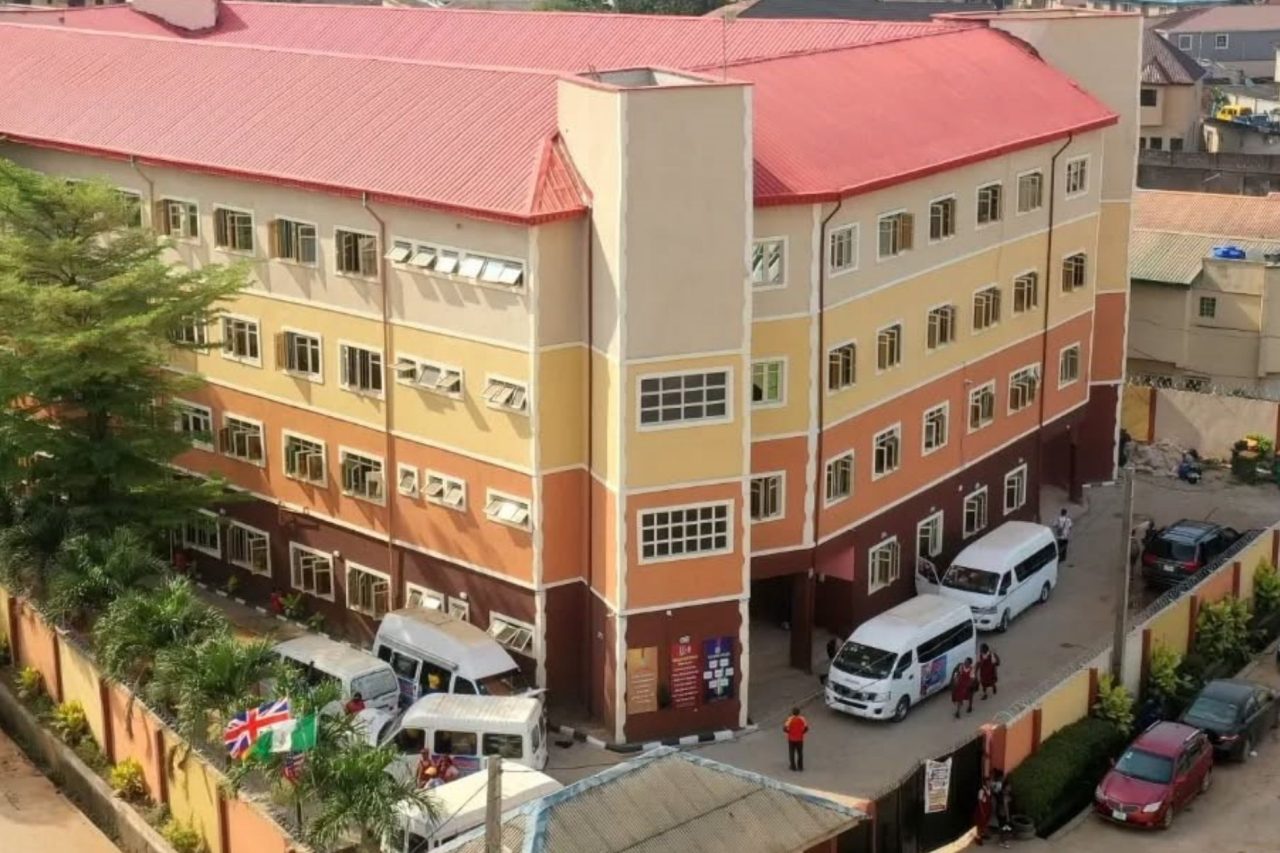
Ferscoat-International-School-Ipaja-1280x853.jpg

In Nigeria’s fast-growing construction industry, the difference between a successful project and a failed one often comes down to how well the project is managed. Delays, cost overruns, poor workmanship, and safety issues are common challenges when construction projects lack proper structure and professional oversight.

At Daisc Ventures, construction is approached as a carefully coordinated process—from the first site visit to the final handover. With a strong focus on planning, quality control, safety, and transparency, Daisc Ventures delivers projects that meet client expectations in terms of time, cost, and durability.

This article takes you through Daisc Venture’s end-to-end construction project management process, explaining how projects are efficiently executed from groundbreaking to handover.


Pre-Construction Planning: Building the Right Foundation

Every successful construction project starts long before ground is broken. The pre-construction phase is one of the most critical stages in project delivery.

Site Assessment and Feasibility Studies

Daisc Ventures begins by evaluating the project site to understand:

  • Soil conditions and terrain

  • Accessibility and logistics

  • Environmental and drainage factors

  • Local planning regulations

These assessments help determine the most suitable foundation system and construction approach, reducing future risks and unexpected costs.

Budgeting and Cost Planning

Construction costs in Nigeria can fluctuate due to material prices, labour availability, and economic factors. Daisc Group works closely with clients to:

  • Develop realistic project budgets

  • Identify cost-effective material options

  • Plan contingencies for unforeseen expenses

This ensures that projects remain financially controlled from start to finish.

Regulatory Approvals and Compliance

Navigating building approvals in Nigeria can be complex. Daisc Ventures assists clients with:

  • Planning and development permits

  • Environmental compliance requirements

  • Structural and safety approvals

Early compliance prevents costly delays during construction.


Design Coordination: Aligning Vision with Practical Execution

Construction efficiency depends heavily on how well designs are coordinated.

Collaboration with Architects and Engineers

Daisc Venture works hand-in-hand with:

  • Architects

  • Structural engineers

  • Mechanical and electrical consultants

This collaboration ensures that designs are not only visually appealing but also structurally sound and buildable within budget.

Design Review and Value Engineering

Before construction begins, designs are reviewed to:

  • Eliminate inconsistencies

  • Optimize material usage

  • Improve constructability

Value engineering allows Daisc Group to enhance performance and durability without compromising quality or design intent.


Site Mobilization and Groundbreaking

Once planning and design are finalized, the project moves into the site mobilization phase.

Equipment and Workforce Deployment

Daisc Group carefully plans the mobilization of:

  • Construction equipment

  • Skilled artisans and technical staff

  • Site management teams

Proper mobilization ensures that work begins smoothly and progresses efficiently.

Site Setup and Safety Measures

Before major construction activities start, the site is prepared with:

  • Temporary offices and storage areas

  • Safety signage and access controls

  • Health, Safety, and Environmental (HSE) systems

Safety is treated as a priority from day one, protecting both workers and the surrounding community.


Construction Execution: Turning Plans into Structures

This is where designs come to life. Daisc Group’s execution phase is driven by discipline, supervision, and quality control.

Daily Site Supervision

Experienced site engineers and supervisors oversee:

  • Work quality

  • Material usage

  • Compliance with drawings and specifications

Daily supervision ensures that errors are identified early and corrected immediately.

Materials Procurement and Quality Control

Using substandard materials is a major cause of building failures in Nigeria. Daisc Group:

  • Sources materials from trusted suppliers

  • Inspects materials before use

  • Ensures compliance with required standards

This commitment to quality guarantees long-lasting and safe structures.

Construction Scheduling and Progress Tracking

Projects are executed using well-defined schedules that track:

  • Key construction milestones

  • Labour productivity

  • Material deliveries

Regular progress updates keep clients informed and confident in the delivery process.


Health, Safety, and Environmental (HSE) Management

A safe construction site is a productive one.

Worker Safety Standards

Daisc Group enforces strict safety protocols, including:

  • Use of personal protective equipment (PPE)

  • Toolbox talks and safety briefings

  • Controlled access to hazardous areas

Environmental Responsibility

Construction activities are managed to minimize:

  • Environmental impact

  • Noise and dust pollution

  • Waste generation

These measures reflect Daisc Group’s commitment to responsible construction practices in Nigeria.


Testing, Commissioning, and Quality Assurance

As construction nears completion, attention shifts to verification and quality assurance.

Inspections and Testing

Structural, electrical, and mechanical systems are thoroughly inspected to ensure:

  • Proper installation

  • Functional performance

  • Compliance with design standards

Defect Identification and Rectification

Any defects identified during inspections are addressed promptly before final delivery.


Final Handover: Delivering with Confidence

The final stage of the project is the handover phase, where the completed structure is officially delivered to the client.

Client Walkthrough and Documentation

Daisc Group conducts a detailed walkthrough with the client, providing:

  • As-built drawings

  • Operation and maintenance guidelines

  • Warranty information

Post-Construction Support

Even after handover, Daisc Group remains available to:

  • Address minor adjustments

  • Provide technical support

  • Offer maintenance guidance

This long-term approach strengthens client trust and satisfaction.


Why Efficient Project Management Matters

Efficient construction project management:

  • Reduces delays and cost overruns

  • Ensures safety and compliance

  • Delivers durable, high-quality buildings

For clients, it means peace of mind and confidence that their investment is protected.


Conclusion

From the first site assessment to final handover, Daisc Group’s structured approach to construction project management ensures that every project is executed with professionalism, transparency, and attention to detail.

By combining planning expertise, skilled execution, and strict quality control, Daisc Group continues to set a standard for reliable construction services in Nigeria.

If you are planning a residential, commercial, or industrial construction project, partnering with an experienced construction company makes all the difference.

Daisc Group builds with purpose—from foundation to completion.


6 April 2015
post_08

Euismod tincidunt ut laoreet dolore magna aliquam erat volutpat. Eodem modo typi, qui nunc nobis videntur parum clari. Curabitur ligula sapien, tincidunt non, euismod vitae, posuere imperdiet, leo. Maecenas malesuada. Praesent congue erat at massa. Sed cursus turpis vitae tortor. Donec posuere vulputate arcu.


Edo State

Permanent Yard

Km 25 Benin Sapele road, Ikpoba Okha, Local Government Area, Edo State.
+ 234 806 240 3537

www.daiscgroup.com

info@daiscgroup.com

LOCATIONS

We Are In Nigeria


GET IN TOUCH

Follow Our Activity

Follow our construction activities and gain insight into our project execution, site operations, and delivery standards.